
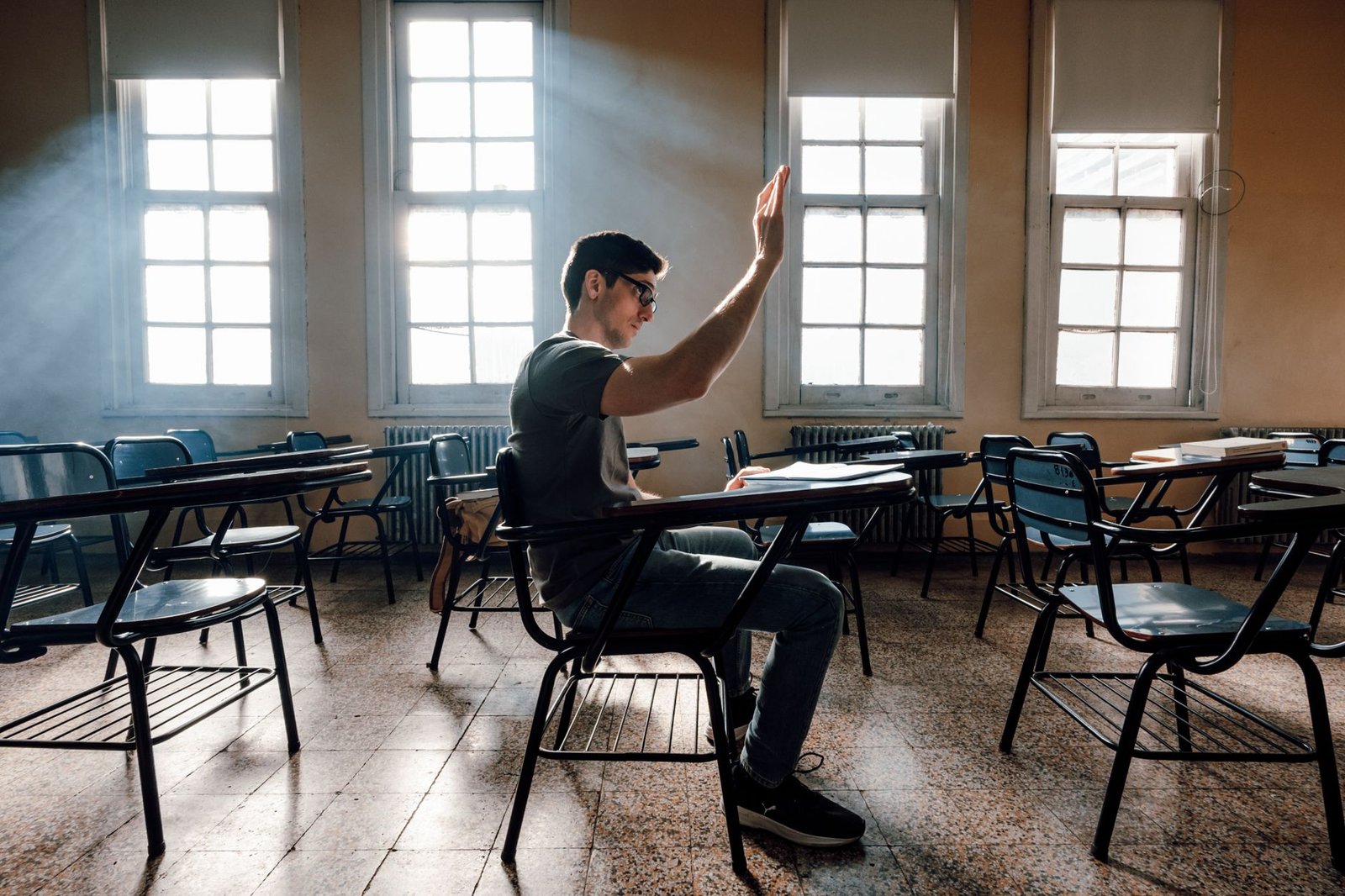

US student visa interview questions remain the most crucial hurdle for international students seeking admission to American universities in 2026. The visa interview determines whether your dreams of studying in the United States become reality. Understanding what consular officers ask, why they ask it, and how to respond confidently can transform your interview from a nerve-wracking ordeal into a straightforward conversation about your academic future.
Understanding the Purpose of US Student Visa Interview Questions in 2026
Why Consular Officers Ask Specific Questions
Consular officers conducting US student visa interviews have one primary objective: determining whether you pose any immigration risk to the United States. The questions they ask are designed to assess your genuine intention to study, your financial ability to support yourself, and your likelihood of returning to your home country after graduation. Every question during your interview serves a purpose aligned with this mission.
The consular officer reviewing your case has access to your I-20 form, academic credentials, financial documents, and visa application. However, the interview allows them to evaluate your demeanor, truthfulness, and consistency in person. Your ability to articulate clear answers to US student visa interview questions demonstrates your serious commitment to your studies and your understanding of visa regulations.
How Visa Interview Objectives Changed in 2026
The landscape of student visa processing evolved significantly in 2026. Consular sections worldwide implemented enhanced background verification procedures and increased focus on students from specific countries. US student visa interview questions now include more detailed inquiries about your academic background and career objectives. Officers also assess your familiarity with your chosen institution and specific program requirements more thoroughly than in previous years.
In 2026, consular officers pay particular attention to how international students plan to finance their education. Understanding types of financial aid for students and types of student financial aid helps you provide comprehensive answers about your funding sources.
Common US Student Visa Interview Questions About Academic Background
Questions About Your Chosen University and Program
One of the most frequently asked US student visa interview questions involves your specific program selection. Expect the officer to ask, “Why did you choose this particular university?” or “Tell me about your major and why you selected it.” Your response should demonstrate genuine knowledge about your institution’s strengths, rankings, faculty expertise, and how the program aligns with your career goals. Generic answers about reputation alone won’t suffice; interviewers want specificity.
Prepare detailed answers about your program curriculum, career outcomes for graduates, and how specific courses align with your professional aspirations. If your university offers unique resources, partnerships, or research opportunities relevant to your field, mention them. This shows you’ve done thorough research and aren’t simply pursuing a US degree for prestige. When answering this category of US student visa interview questions, demonstrate that you’ve invested time understanding what makes your chosen program exceptional.
Questions About Your Academic Performance and Background
Consular officers regularly ask about your previous academic achievements with questions like, “What was your GPA in high school?” or “Tell me about your academic strengths and weaknesses.” Be honest about your academic record. If your grades are exceptional, highlight your achievements confidently. If your academic history includes lower grades or retakes, prepare an honest explanation that frames challenges as learning opportunities.
US student visa interview questions in this category might include inquiries about standardized test scores, challenging subjects, or gaps in your academic history. Address these directly without making excuses. For instance, if you struggled in mathematics but scored well on your GRE quantitative section, explain how you improved. This demonstrates resilience and commitment to academic excellence, qualities that strengthen your visa application.
Financial Capacity Questions Every Student Should Prepare For
Demonstrating Your Ability to Fund Your Studies
Financial questions comprise a significant portion of US student visa interview questions. Officers need assurance that you can afford four years of university tuition, accommodation, and living expenses without becoming a public charge. Expect questions like, “How will you finance your education?” or “What is your family’s annual income?” Prepare clear documentation showing your financial capacity, including bank statements, property deeds, investment portfolios, and scholarship award letters.
When answering financial US student visa interview questions, distinguish between your personal savings, family support, and external funding sources. If you’re receiving a scholarship, explain its amount, duration, and any conditions. Research Best programs in United States 2026 that offer generous financial aid packages, and reference these in your preparation. Be prepared to calculate your total cost of attendance and demonstrate how your financial resources cover these expenses completely.
Explaining Sponsorship and Financial Support Sources
If your family is sponsoring your education, you’ll face US student visa interview questions about their financial situation. The officer might ask, “What does your sponsor do for a living?” or “Why is your father sponsoring your education instead of you funding it yourself?” These questions aren’t accusatory; they simply verify that your sponsor has legitimate, stable income to support you financially.
Prepare an affidavit of support (Form I-864 for some cases) and supporting financial documents from your sponsor. If multiple family members are contributing funds, document each person’s role clearly. When facing these US student visa interview questions, explain family financial structures naturally. In many cultures, parents fund children’s education, and consular officers understand this. Your clarity about financial arrangements prevents misunderstandings and strengthens your credibility.
Character and Intention Questions That Determine Your Future
Demonstrating Genuine Student Intent
The most critical US student visa interview questions assess whether you genuinely intend to study or if you plan to immigrate illegally. Officers ask, “What will you do after graduation?” or “Do you plan to work in the United States after completing your degree?” Answer these questions honestly and consistently with your visa application. Your primary intent should clearly be completing your degree and either pursuing further education or returning home to apply your skills.
Articulate a coherent educational and career plan. If you intend to pursue graduate studies, explain which programs interest you. If you plan to return home, describe how your US degree will benefit your career in your home country. Inconsistencies between your verbal responses and written application raise red flags. These US student visa interview questions probe your fundamental motivations, so authenticity matters more than what officers want to hear.
Addressing Your Ties to Your Home Country
A crucial category of US student visa interview questions explores your connections to your home country. Officers ask, “Do you have family in your home country?” or “What property does your family own?” They’re assessing your likelihood of returning after studies. Strong ties to your home country—family, property, career prospects, or business interests—demonstrate that you have compelling reasons to return.
Don’t minimize your home country connections when answering these US student visa interview questions. If your family owns a business, mention it. If your parents work in respected professions, note this. If you have siblings or extended family depending on you, explain your family responsibilities. These ties actually strengthen your application by showing you have obligations beyond the United States and reasons to maintain your home country residence.
Technical and Practical US Student Visa Interview Questions
Questions About Your I-20 Form and Visa Documents
Expect US student visa interview questions about your I-20 form, the critical document confirming your admission and financial support. The officer might ask, “What is your SEVIS number?” or “Can you explain what your I-20 form indicates?” Bring your original I-20 and supporting documents to the interview. Knowing your SEVIS number, program code, and what your I-20 certifies demonstrates preparation and attention to detail.
Review your I-20 thoroughly before your interview. Understand what each section represents, particularly the financial certification amount and the authorized period of study. If there are any discrepancies between information on your I-20 and other documents, clarify these proactively. When answering these technical US student visa interview questions, you’re proving that you understand the regulatory framework governing your student status in the United States.
Questions About Your Intended Duration and Study Timeline
Officers ask, “How long do you plan to study in the United States?” or “When will you complete your program?” These seemingly straightforward US student visa interview questions require precise answers. Provide the expected graduation date for your degree program. If you’re pursuing a four-year bachelor’s degree, say “four years” and mention your expected graduation year. If you’re doing a two-year master’s program, specify that timeframe.
Understand whether you’re authorized for Practical Training (OPT) and for how long. While OPT isn’t required, understanding this option shows awareness of post-graduation opportunities. When facing these US student visa interview questions, demonstrate that you’ve thought through your entire timeline in the United States, from arrival through graduation and potential further education or departure.
| Question Category | Sample Questions | Preparation Strategy | Key Points to Address |
|---|---|---|---|
| Academic Background | “Why this university?” “What’s your GPA?” | Research university strengths and program details | Specific program knowledge, career alignment |
| Financial Capacity | “How will you fund education?” “Family income?” | Organize financial documents, calculate costs | Total cost of attendance, funding sources, stability |
| Student Intent | “What will you do after graduation?” | Develop clear career and education plan | Post-graduation plans, career prospects |
| Home Country Ties | “Do you have family there?” “Property owned?” | Document family and property connections | Family obligations, business interests, assets |
| Technical Documentation | “What’s your SEVIS number?” “Graduation date?” | Review all visa documents thoroughly | Program dates, authorized duration, document details |
Advanced Preparation Strategies for US Student Visa Interview Questions
Mock Interview Practice and Role-Playing
The most effective preparation for US student visa interview questions involves conducting mock interviews. Find experienced mentors, teachers, or visa consultants who can role-play as consular officers. Practice answering questions aloud, not just mentally. This practice builds confidence and helps you identify awkward phrasing or inconsistencies in your responses. Record yourself answering sample US student visa interview questions and review the recordings to improve your delivery, clarity, and eye contact simulation.
When practicing, focus on speaking naturally without memorizing responses word-for-word. Memorized answers sound robotic and often raise suspicion. Instead, internalize key points and practice expressing them conversationally. Practice responding to follow-up questions and unexpected inquiries. If you stumble on a question during practice, note it and prepare more thoroughly. The goal is developing fluency in discussing your academic plans, financial situation, and future aspirations naturally and consistently.
Researching University-Specific Information for Your Interviews
Deep research about your specific university strengthens your responses to US student visa interview questions. Beyond knowing the university’s ranking, understand its culture, notable alumni in your field, research opportunities, and distinctive program features. If your university offers co-op programs, study abroad options, or unique interdisciplinary courses relevant to your field, mention these specifically. This detailed knowledge distinguishes genuine students from applicants pursuing any US degree indiscriminately.
Visit your university’s website and explore departmental pages, faculty profiles, and research centers. If professors in your field conduct research aligning with your interests, note their names and research areas. When answering US student visa interview questions about why you chose your university, reference these specific elements. This preparation demonstrates serious academic intent and familiarity with what your chosen institution offers.
FAQ About US Student Visa Interview Questions
What are the most commonly asked US student visa interview questions?
The most frequently asked US student visa interview questions include: “Why do you want to study in the United States?” “Tell me about your major,” “How will you finance your education?” “What are your career goals?” “Do you have family in the United States?” and “What will you do after graduation?” These core questions explore your academic motivation, financial preparedness, and immigrant intent. Officers adapt these questions based on individual circumstances, but these foundations appear in nearly every interview.
How should I answer questions about my grades if they’re not excellent?
If you’re asked about weaker academic performance, answer honestly without being defensive. Explain specific challenges you faced and what you learned from them. For example: “My grades in mathematics were initially lower because I struggled with online learning. I sought tutoring, improved my study methods, and my scores increased significantly by graduation.” This demonstrates resilience and commitment to improvement. Consular officers recognize that academic challenges don’t disqualify students, but dishonesty or evasiveness definitely does. Address academic weaknesses directly when discussing US student visa interview questions about your background.
Can I bring documents to reference during my visa interview?
Yes, bringing relevant documents supports your answers to US student visa interview questions. Bring your original I-20, passport, acceptance letter, financial documents, and SEVIS confirmation. Having these documents readily available shows organization and preparedness. However, don’t rely on reading directly from documents; instead, use them as supplements if needed for specific details like SEVIS numbers or financial amounts. The interview should be conversational, not a document recitation. Reference materials should support your verbal responses to US student visa interview questions, not replace them.
What happens if I don’t know the answer to a question?
If a consular officer asks a US student visa interview question you can’t answer, admit this honestly rather than guessing or fabricating information. For instance, if asked about a specific professor’s research and you’re unsure, say: “I know the department emphasizes research in that area, but I’m not certain about that specific professor’s current projects. I plan to connect with faculty once I arrive.” This honesty demonstrates confidence and integrity. Officers appreciate straightforward responses more than incorrect information that suggests dishonesty. Most US student visa interview questions expect genuine answers, not perfect knowledge.
How long should my answers to US student visa interview questions be?
Aim for concise but complete answers to US student visa interview questions. Most should take 30 seconds to 2 minutes. Avoid one-word answers that seem evasive, but don’t ramble with excessive details either. When officers ask “Why did you choose this university?” a two-minute response covering the program’s strengths, how it fits your goals, and specific opportunities available is appropriate. If you’re unsure whether you’ve answered sufficiently, you can ask: “Does that answer your question, or would you like more details?” This shows responsiveness to the officer’s needs while answering US student visa interview questions professionally.
Conclusion: Master Your US Student Visa Interview Questions in 2026
Success in your US student visa interview depends on thorough preparation, honest communication, and genuine enthusiasm for your studies. Understanding the purpose behind US student visa interview questions and preparing thoughtful, consistent responses transforms the interview from an intimidating ordeal into an opportunity to present your compelling academic case. Review the common categories of questions covered in this guide: academic background, financial capacity, student intent, home country ties, and technical documentation.
As you prepare for your interview in 2026, research How to choose United States options in 2026 to demonstrate informed decision-making about your education. Understand the nuances of student funding by exploring types of financial aid for students and types of student financial aid to answer financial US student visa interview questions comprehensively. Conduct mock interviews, research your specific university thoroughly, and organize your financial documents meticulously.
Practice answering US student visa interview questions until you can discuss your academic plans, financial situation, and career aspirations naturally and confidently. Remember that consular officers want to approve applications from qualified, genuine students. Your preparation demonstrates respect for the process and seriousness about your education. Enter your interview room with confidence, knowing you’ve thoroughly prepared for every category of US student visa interview questions you’ll encounter. Your visa approval awaits the student who walks in prepared, honest, and genuinely excited about their academic future in the United States.
Ready to ace your student visa interview? Start your preparation today by reviewing these essential US student visa interview questions, conducting mock interviews with mentors, and organizing your documentation. Your US education journey begins with this crucial interview—make it count. For additional resources on student funding and program selection, explore our comprehensive guides to ensure your complete readiness for your 2026 visa interview.