
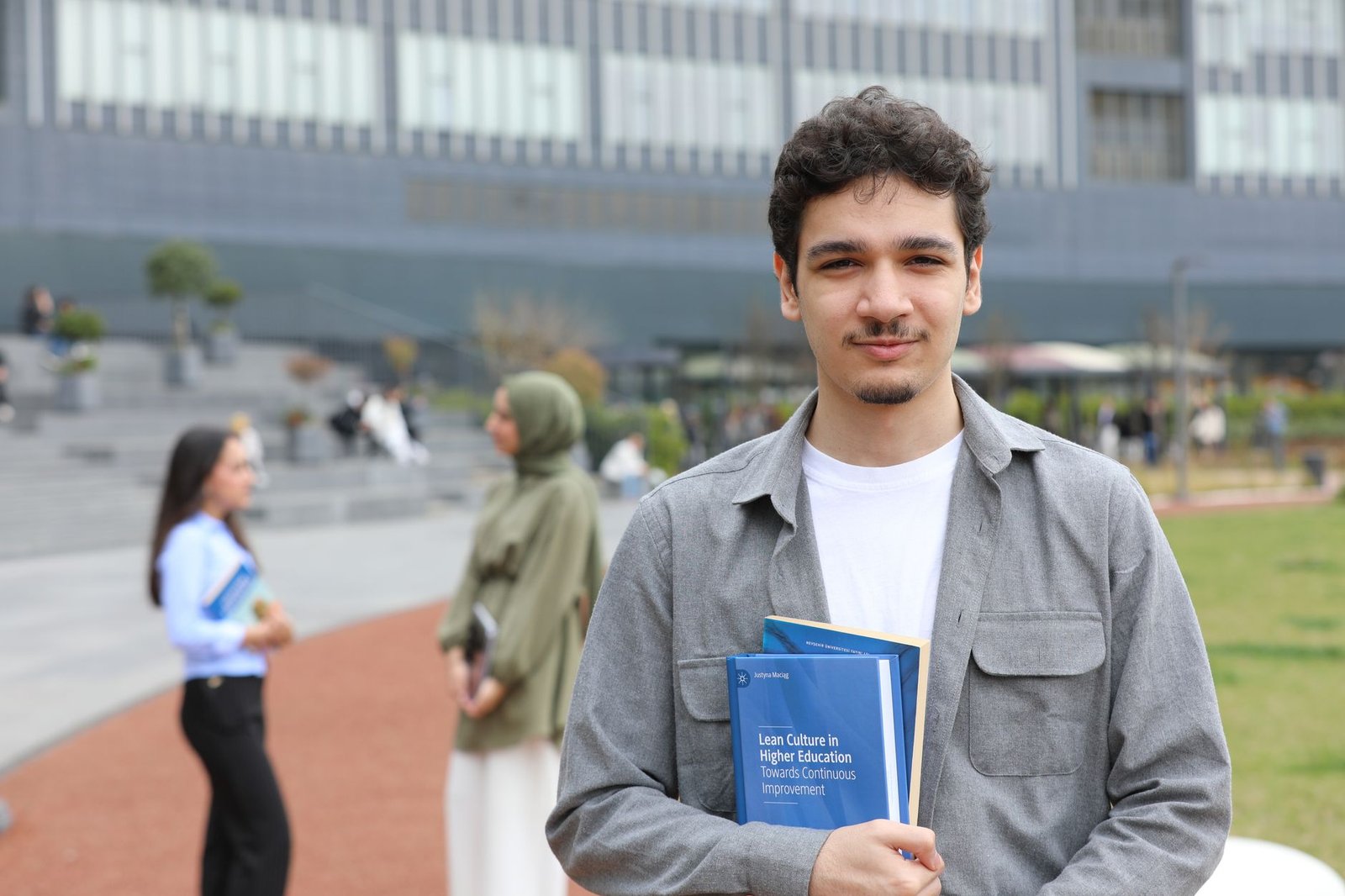

how to apply for scholarships abroad is a crucial step for South African students seeking quality education without the burden of excessive tuition fees. In 2026, more opportunities than ever exist for talented individuals to secure funding for their international studies. Whether you’re dreaming of studying in Canada, the USA, or other global destinations, understanding the application process is essential to your success.
Understanding Scholarship Opportunities Available in 2026
Types of Scholarships for International Students
The landscape of international scholarships in 2026 offers diverse funding options tailored to different academic levels and career aspirations. Merit-based scholarships reward academic excellence, athletic achievements, and leadership qualities. These scholarships are highly competitive but don’t require demonstrated financial need. Conversely, need-based scholarships focus on students facing genuine financial hardships, making them particularly relevant for many South African applicants.
Full-ride scholarships cover tuition, accommodation, meals, and sometimes even travel expenses, while partial scholarships supplement your funding needs. Research scholarships specifically fund graduate students engaged in innovative projects. Government-sponsored scholarships from countries like Canada and the USA actively recruit international talent, making them excellent options for 2026 applications. Additionally, university-specific scholarships are administered directly by institutions and often carry fewer restrictions than external scholarships.
Regional Scholarship Programs in 2026
Canada has expanded its scholarship portfolio significantly in 2026, with the tuition fees for international students in Canada remaining competitive despite inflation. Many Canadian universities offer substantial scholarships for international students, particularly in STEM fields and research-based programs. Understanding work permit while studying Canada regulations is also crucial, as many scholarships combine study funding with paid work opportunities.
The United States maintains its leadership in international scholarship offerings, with thousands of American universities competing for top global talent in 2026. How to choose United States institutions requires understanding their scholarship frameworks, endowment sizes, and specific programs. Best educational programs in United States 2026 often come with the most generous scholarship packages, particularly in engineering, business, and medicine.
Eligibility Requirements and Prerequisites
Academic and Language Qualifications
To successfully learn how to apply for scholarships abroad in 2026, you must first understand core eligibility criteria. Most international scholarships require a minimum Grade Point Average (GPA), typically ranging from 3.0 to 3.8 out of 4.0 on the American scale. South African students should convert their final school results or undergraduate marks to the equivalent GPA format used by scholarship administrators. Some prestigious scholarships demand near-perfect academic records, while others maintain more flexible standards, particularly for students from disadvantaged educational backgrounds.
English language proficiency is non-negotiable for scholarships offered in English-speaking countries. The TOEFL (Test of English as a Foreign Language) and IELTS (International English Language Testing System) are the most widely accepted assessments in 2026. Most scholarships require a minimum TOEFL score of 80-100 (internet-based) or IELTS score of 6.5-7.5, depending on the institution and program level. Some universities offer language pathway programs or conditional admission for applicants with slightly lower scores, but securing competitive scholarship funding becomes significantly easier with strong language test results.
Financial and Personal Eligibility Factors
Many scholarships targeting South African students specifically consider financial need as a primary eligibility factor. Documentation proving your family’s income, assets, and financial circumstances will be required during how to apply for scholarships abroad applications. Some programs, like those supported by NSFAS, prioritize students from low-income households. Organizations like DHET also provide guidance on national scholarship opportunities aligned with government priorities.
Beyond academics, scholarship committees evaluate character, community involvement, and future potential impact. Citizenship requirements vary by scholarship; some are exclusively for South African citizens, while others accept all international applicants. Age restrictions occasionally apply, particularly for scholarships targeting recent high school graduates or early-career professionals. Criminal history, though not always disqualifying, may affect eligibility for certain prestigious awards.
Step-by-Step Application Process for 2026
Researching and Identifying Suitable Scholarships
The foundation of successfully learning how to apply for scholarships abroad begins with comprehensive research. In 2026, numerous online platforms aggregate scholarship opportunities specifically for international students. Create a spreadsheet documenting each opportunity’s deadline, requirements, funding amount, and specific program focus. Websites like ScholarshipPortal.com, MastersPortal.com, and StudyPortals are excellent starting points, but don’t overlook university-specific scholarship pages and government funding agencies.
Narrow your search by filtering for scholarships matching your academic discipline, career goals, and preferred study destination. A South African student aspiring to study engineering in Canada will find different opportunities than someone pursuing social sciences in the USA. Read each scholarship description thoroughly—superficial research wastes valuable application time. Create a priority list ranking scholarships by funding amount, alignment with your goals, and your likelihood of success. Focus your energy on scholarships where you genuinely meet or exceed eligibility criteria rather than applying to everything available.
Gathering Required Documentation
How to apply for scholarships abroad requires meticulous attention to documentation collection. Begin gathering materials months before application deadlines. Essential documents typically include official academic transcripts from all educational institutions attended, with certified English translations if originally in another language. Your school leaving certificate or undergraduate degree diploma is usually mandatory, sometimes requiring official verification directly from your school.
Language proficiency test scores (TOEFL/IELTS) must be officially ordered from testing centers to reach scholarship administrators before deadlines. Standard test score reports take weeks to arrive, so schedule exams strategically. If pursuing graduate studies, many programs require the GRE (Graduate Record Examination) or GMAT (Graduate Management Admission Test) scores. Obtain strong letters of recommendation from teachers, professors, or employers who can speak credibly about your academic abilities and personal character. Request these letters with adequate notice—at least four weeks—providing recommenders with detailed information about the scholarship and what qualities scholarship committees value.
Crafting Winning Application Materials
Writing Compelling Personal Statements and Essays
The personal statement is often your only opportunity to speak directly to scholarship committees, making it crucial to understand how to apply for scholarships abroad competitively. Your statement should narrate your educational journey, highlighting experiences that shaped your academic interests and career aspirations. For South African applicants, contextualizing your achievements within your educational environment proves particularly important. If your school lacked advanced resources, explicitly acknowledging this while demonstrating initiative through self-study or community learning enhances your narrative credibility.
Structure your personal statement with a compelling opening that captures attention immediately. Avoid clichés about “always dreaming of international education”—scholarship officers read thousands of generic statements. Instead, pinpoint specific moments that catalyzed your determination to study abroad. Perhaps conducting independent research, mentoring younger students, or overcoming specific obstacles demonstrated your commitment. The body should elaborate on these formative experiences, while the conclusion articulates how international education aligns with meaningful post-study goals contributing to your community.
Developing a Strong Application Portfolio
Beyond essays, how to apply for scholarships abroad increasingly involves submitting supplementary materials demonstrating your multifaceted achievements. A curriculum vitae (CV) summarizing your academic record, work experience, leadership positions, publications, and awards creates a comprehensive overview. Unlike resumes, CVs are lengthier and more detailed, allowing you to document every relevant accomplishment. Include any scholarships previously received, research projects completed, or volunteer work undertaken—these signal your reliability and initiative to funders.
If your scholarship application permits, include a portfolio of work samples: research papers you’ve written, creative projects completed, or documentation of community initiatives you’ve led. Visual evidence of your achievements—photographs from leadership roles, certificates from competitions, or articles featuring your contributions—can differentiate your application. However, include supplementary materials only if explicitly requested or permitted; excessive documentation can overwhelm reviewers and dilute your primary message.
Financial Documentation and Proof of Funds
Demonstrating Financial Need and Need-Based Assessment
Understanding how to apply for scholarships abroad with financial documentation requires comprehending institutional financial assessment procedures. Most need-based scholarships require families to submit detailed financial information through standardized forms like the CSS Profile or institution-specific applications. In 2026, many universities use the Free Application for Federal Student Aid (FAFSA) model, though international students face some restrictions. South African applicants must convert local currency figures to USD or CAD equivalents, clearly documenting sources of family income.
Income documentation typically requires tax returns, salary certificates from employers, or bank statements proving regular income deposits. If your family is self-employed, business financial statements become necessary. Some families own property or investments requiring documentation of asset values. Be transparent about all financial resources; misrepresenting family finances constitutes fraud that could result in scholarship revocation, legal consequences, and permanent damage to your academic reputation. If your family’s financial situation is complex or includes informal income sources, provide a detailed explanation letter helping financial administrators understand your circumstances.
Proof of Financial Support and Sponsorship Letters
Even when pursuing scholarships, international students must typically demonstrate that they can cover uncovered expenses, including portions not funded by scholarships. A bank statement showing available funds—whether from family savings, loans, or other sources—satisfies proof of funds requirements. When family members sponsor your studies, obtain official sponsorship letters documenting their commitment to support you financially. These letters should specify the annual amount they’ll provide and confirm their financial capacity through bank statements or employment verification.
If studying in Canada, understanding tuition fees for international students in Canada helps you calculate the total proof of funds required. Canadian institutions typically require proof of approximately CAD $25,000-30,000 annually for living expenses plus full tuition costs. For US universities, similar calculations apply using USD equivalents. Document everything carefully—inconsistencies between claimed financial capacity and supporting documents trigger application denials or visa rejections.
Submission and Deadline Management
Creating a Strategic Application Timeline
Mastering how to apply for scholarships abroad demands rigorous timeline management. In 2026, create a master calendar documenting every scholarship deadline you’re pursuing. Work backwards from each deadline, allocating time for essay drafting, recommendation letter requests, document gathering, and application submission. For scholarships with December or January deadlines—the most common for September 2026 intake—begin research and preparation by July or August of the previous year. This timeline allows adequate time for test retakes if initial scores disappoint.
Build in buffer time before every deadline; never submit applications on the final day when technical glitches or unexpected document requests could cause missed submissions. Allocate specific weeks for different tasks: weeks one and two for scholarship research, weeks three and four for test preparation and exam scheduling, weeks five through eight for essay drafting and revision, and weeks nine through twelve for final document collection and application submission. This structured approach prevents the panic and errors characteristic of last-minute applications that scholarship officers can immediately identify.
Technical Submission and Quality Control
How to apply for scholarships abroad online requires meticulous attention to technical submission processes. Most scholarships in 2026 operate through dedicated online portals where you create accounts, complete forms, and upload documents. Test your account login several days before submission to identify any technical issues. Verify that your uploaded files display correctly and contain all necessary pages—PDF conversion errors sometimes cause pages to appear blank or distorted.
Review every field before submission, correcting spelling errors and inconsistencies. Save copies of confirmation pages and reference numbers provided after successful submission. Create a checklist of all required documents and verify each appears in your submission. Even minor errors—incorrect birthdate formatting or missing middle initials—can cause applications to be rejected or flagged for administrative review, delaying decision timelines.
Maximizing Your Chances of Scholarship Success
Strategic Scholarship Selection and Application Prioritization
Understanding how to apply for scholarships abroad strategically increases your success rate substantially. Rather than applying to fifty scholarships indiscriminately, apply to fifteen carefully selected opportunities where your profile genuinely aligns with selection criteria. Divide your target scholarships into three categories: reach scholarships where your profile is strong but not exceptional, target scholarships where you’re well-qualified, and safety scholarships where you’re overqualified. This portfolio approach balances ambition with realistic probability of success.
Tailor each application to the specific scholarship’s stated values and priorities. If a scholarship emphasizes community service, highlight your volunteer work prominently. For merit-based scholarships valuing academic excellence, emphasize your GPA and test scores. This customization requires more effort than generic applications but dramatically improves your competitiveness. Research scholarship sponsors’ missions—many foundations have specific philanthropic goals (supporting women in STEM, assisting refugee students, promoting environmental studies). Demonstrating alignment with these missions substantially strengthens your appeal.
Building Strong Recommender Relationships
Letters of recommendation significantly influence scholarship decisions, making how to apply for scholarships abroad with exceptional recommendations a strategic advantage. Identify potential recommenders early—teachers or professors who know your work intimately, supervisors who’ve witnessed your professional development, or mentors who understand your ambitions. Request recommendations at least four to six weeks before deadlines, providing each recommender with:
- A detailed letter explaining the scholarship’s requirements and selection criteria
- Your CV or resume highlighting relevant achievements
- A personal statement draft showing your goals and aspirations
- Specific instructions for submission directly to scholarship administrators
- A gentle reminder as the deadline approaches (one week before)
Choose recommenders strategically—someone who taught you in subjects directly related to your intended field carries more weight than a casual acquaintance. If possible, secure recommendations from recommenders in English-speaking countries or those experienced writing for international scholarship evaluations—they understand what selection committees prioritize. Follow up courteously after submission, thanking recommenders for their support regardless of scholarship outcomes.
Common Mistakes to Avoid When Applying
Application Errors and Missed Opportunities
Understanding common pitfalls when learning how to apply for scholarships abroad helps you sidestep costly mistakes. The most prevalent error involves incomplete applications—missing required documents, unsigned forms, or blank fields. Some applicants fail to customize applications for specific scholarships, submitting generic essays to multiple programs. Scholarship officers immediately recognize recycled content, and this lack of effort signals low interest and commitment to their specific program.
Missed deadlines represent another preventable catastrophe. Many students underestimate submission times, discovering minutes before deadlines that documents won’t upload or their internet connection fails. Others miss early application deadlines with increased funding, subsequently applying to later rounds with significantly reduced scholarship amounts. Some applicants fail to thoroughly read scholarship requirements, discovering too late that they don’t meet eligibility criteria or that program-specific requirements weren’t addressed in their essays.
Presentation and Communication Issues
Professionalism in how to apply for scholarships abroad applications extends beyond content to presentation quality. Poor spelling and grammar immediately disqualify applications in competitive scholarship evaluation. Use spell-check religiously, then have native English speakers proofread before submission. Inconsistent formatting, varying font styles, or cluttered document layouts create unprofessional impressions. Save all documents using standard formatting (PDF preferred) with clear, professional file names—”Ahmed_SarithiPersonalStatement_2026.pdf” rather than “FINAL_ESSAY_v2_NEW.pdf.”
Tone and honesty matter tremendously in scholarship applications. Exaggerating achievements, fabricating experiences, or misrepresenting qualifications constitutes fraud. If discovered, such dishonesty results in immediate disqualification and could damage your reputation across institutions—networks of scholarship administrators and universities communicate about fraudulent applications. Present your genuine story authentically; scholarship committees increasingly value resilience and honest struggle over inflated perfection.
Comparison Table: Top Scholarship Programs by Destination 2026
| Scholarship Program | Destination | Funding Amount | Academic Level | Application Deadline | Best For |
|---|---|---|---|---|---|
| Vanier CGS Scholarships | Canada | CAD $50,000/year | Doctoral | November 2025 (for 2026 intake) | Research-focused PhD students |
| Fulbright Awards | United States | USD $15,000-25,000+ | Graduate & Postgraduate | Varies (typically October-November) | Emerging leaders, academics |
| Chevening Scholarships | United Kingdom | Full coverage + stipend | Master’s Degree | November 2025 (for 2026-27 intake) | Leadership potential, public service |
| Global Korea Scholarship (GKS) | South Korea | Full tuition + monthly allowance | Bachelor’s, Master’s, PhD | March-April 2026 | All academic levels |
| Australian Development Scholarship | Australia | Full tuition + living allowance | Master’s Degree | October-November 2025 | Development-focused professionals |
| African Union Scholarship Scheme | Multiple African Countries | Varies by country | Bachelor’s to PhD | Varies throughout year | African students pursuing regional education |
FAQ: Questions About How to Apply for Scholarships Abroad in 2026
What is the best time to start the scholarship application process?
Begin researching scholarships at least 12-18 months before your intended study start date. For September 2026 intake programs, optimal research timing is September-October 2024, with applications submitted between October 2024 and March 2025. This timeline allows adequate preparation without rushed mistakes. Early applications often receive priority consideration from scholarship committees managing limited funds, making early starts strategically advantageous.
How many scholarships should I apply for?
Quality surpasses quantity when learning how to apply for scholarships abroad. Apply to 10-15 carefully selected scholarships where your profile aligns with eligibility criteria, rather than